
From Immigrant To Empowering Leader: The Power Of Trust
Aug 10, 2026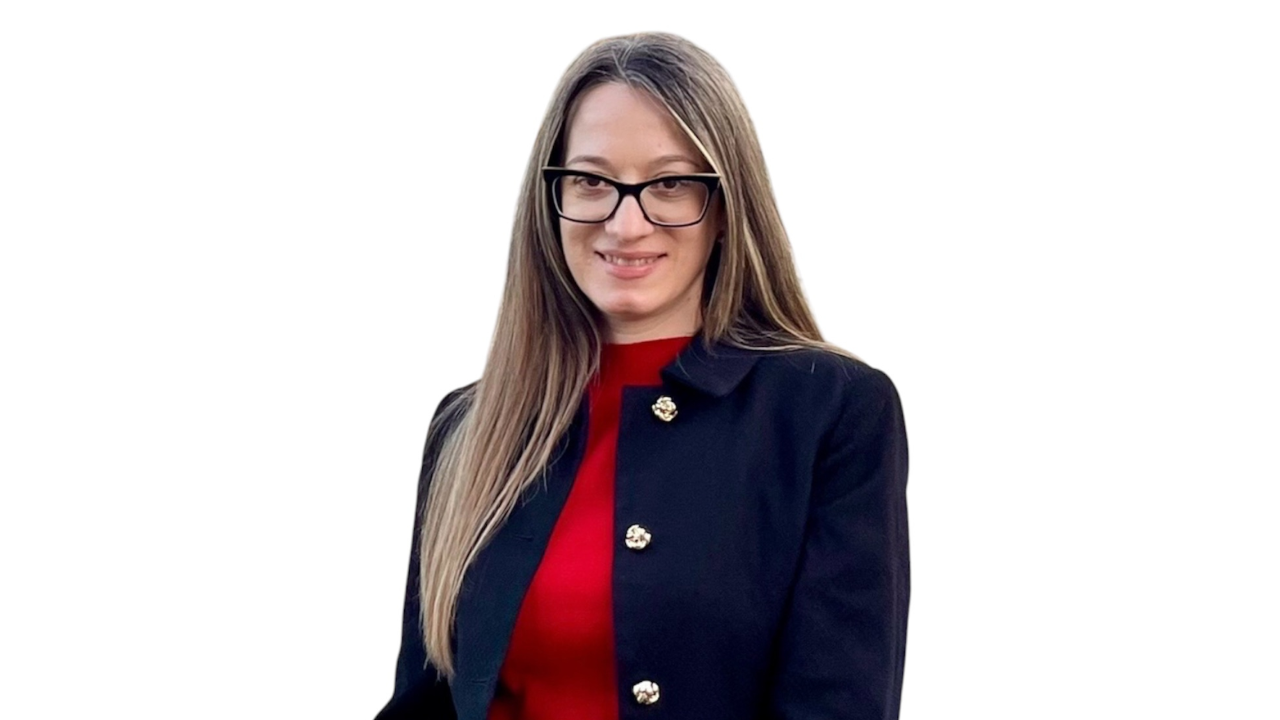
Mariela Tilko ACCA is an Albanian-born professional and Financial Planning & Analysis Manager who has built her career in the UK, navigating the challenges of starting afresh in a new country and progressing into leadership within a multicultural and multigenerational organisation. Her journey offers a compelling perspective on resilience, ambition, and the evolution of leadership - from proving yourself as a young manager to creating a no-ego culture where your team can thrive. In this interview, she shares the experiences and lessons that have shaped her approach to leadership growth.
Every leadership journey begins with a first step. As an immigrant building your career in a new country, what inspired you to pursue a career in finance?
Growing up in Albania, education was always seen as the path to a better future. My family encouraged me to choose a career that would give me stability and security, and finance was one of those professions.
But that was not the only reason I chose it. From a young age, I loved maths, science and working with numbers. Those were the subjects where I felt most confident and where I knew I could do well. By the time I was in high school, I already knew I wanted to study finance because it combined everything I enjoyed with a career that could make a real difference.
Moving to a new country meant starting again. I had to adapt, learn a different way of working and prove myself all over again. It was not always easy, but it made me more resilient and determined.
Looking back, I am grateful I followed both my head and my heart. Finance gave me the security I was looking for, but it also gave me a career that I genuinely enjoy. My journey has shown me that when you combine passion with hard work and resilience, you can build a future beyond what you first imagined.
Securing a leadership role within a well-established, multicultural and multigenerational organisation is a significant milestone. Looking back, what personal qualities, professional skills and ways of thinking do you believe were instrumental in achieving this goal?
Looking back, I believe three things were instrumental in helping me achieve this milestone: resilience, discipline and having a clear vision.
I have always believed that challenges are part of growth. Building my career in a new country was not always easy, but I never gave up. Every setback became an opportunity to learn, improve and come back stronger.
I also had a clear vision of where I wanted to be. Even before I became an FP&A Manager, I could picture myself in that role. That vision kept me focused and motivated, and it influenced the decisions I made throughout my career. I invested in my development, took on new responsibilities and continuously learned.
Professionally, I developed strong analytical and commercial skills, but I also learned that leadership is about people. As a manager, I focus on building trust, supporting my team and creating an environment where everyone feels valued and has the opportunity to grow.
Above all, my passion for finance and my strong work ethic have kept me moving forward. I have learned that success is not about never facing challenges; it is about staying disciplined, believing in yourself and continuing to move forward even when the path is not easy.
What advice would you offer to ambitious professionals who aspire to lead multicultural and multigenerational teams?
My advice would be to stay curious, be open to learning and never stop investing in yourself.
Leading a multicultural and multigenerational team has taught me that everyone brings different experiences, perspectives and ways of working. Instead of seeing those differences as challenges, see them as strengths. Listen to people, ask questions and try to understand what motivates them. Building trust and showing respect goes a long way.
I would also encourage people to be patient with themselves. Leadership does not happen overnight. It comes from consistently learning, taking on new challenges and stepping outside your comfort zone.
Finally, do not let setbacks define you. There will always be moments when things do not go as planned, but resilience and discipline are what keep you moving forward. Believe in your abilities, keep your vision clear and remember that every experience, good or bad, is helping you become a better leader.
How would you describe your leadership philosophy, and what practical strategies do you use to create a culture where people feel trusted, accountable and empowered to consistently perform at their best?
My leadership philosophy has evolved over time. When I first became a manager, I felt I had to prove myself. I wanted to show my manager and senior leaders that they had made the right decision by trusting me with the role. I focused on delivering results and demonstrating that I was capable.
As I have grown as a leader, I have realised that leadership is no longer about proving myself; it is about helping others succeed. I have learned to let go of my ego and focus on empowering my team. If my team grows, performs well and reaches its potential, then I know I have done my job as a leader.
To create that environment, I start by building trust. I give people ownership of their work and avoid micromanaging because I believe people perform at their best when they feel trusted. At the same time, I set clear expectations and make sure everyone understands what success looks like, so accountability comes naturally.
I also believe in open communication and regular feedback. I encourage my team to ask questions, share ideas and learn from mistakes without fear of being judged. Everyone has different strengths and ambitions, so I try to understand what motivates each person and support their development in a way that works for them.
Ultimately, I want my team to feel confident, valued and empowered. When people know you believe in them, they usually believe more in themselves. And when every individual succeeds, the whole team succeeds.
You are a strong advocate of a no-ego, team-empowered approach to leadership. Why do you believe this leadership style is important in today's business environment, and how does it influence innovation, collaboration, team well-being and long-term organisational success?
I believe a no-ego, team-empowered approach to leadership is very important in today's business environment because organisations are facing more complex challenges, and success cannot depend on one person alone.
The best results come when people feel comfortable sharing their ideas, different opinions and experiences. Everyone brings something valuable, regardless of their role, age or background. When people feel listened to and respected, they are more likely to be creative, challenge ideas and find better solutions.
A no-ego approach creates a culture where people work together instead of trying to prove who is right. It encourages collaboration, trust and learning from each other. This is especially important because different perspectives can help teams see opportunities and solve problems in new ways.
It also has a positive impact on people's well-being. When employees feel trusted and empowered, they take more ownership of their work, feel more connected to the team and are more motivated to give their best.
For me, long-term success comes from building strong teams, not relying on individual heroes. A leader's role is to bring people together, create the right environment and help everyone perform at their best. When people feel valued and empowered, the organisation becomes stronger, more adaptable and ready for the future.
The Signature Question
Every interview in Leadership & Business concludes with one signature question, inviting each leader to share their perspective on the qualities and capabilities that will shape the future generation of leaders.
As organisations navigate rapid technological change, evolving workforce expectations and increasing global complexity, what qualities and capabilities do you believe the next generation of leaders must cultivate? Which skills will be most critical for driving sustainable business growth while empowering diverse teams to innovate, adapt and excel in the years ahead?
I believe the next generation of leaders will need to be adaptable, open-minded and willing to keep learning. The world of work is changing quickly, especially with technologies like AI becoming part of everyday business. At the same time, I think technology is only one part of the future. The ability to understand people, build trust and bring teams together will be just as important. I work in Hospitality where the human touch is very important; this will always be the case no matter how much technology or AI develops.
People and relationships are at the heart of what we do. AI can support us and help us work smarter, but it is people who bring ideas, judgement, creativity, empathy, and collaboration. For me, the human side of leadership will always come first. In my opinion, the best future leaders will be those who can use technology in a smart way, while still putting people first. Eventually, being able to combine both will help businesses to grow.